
About Us
We combine decades of courtroom experience with a client-first approach to deliver clear, effective legal solutions.
Please fill out the form below and we will get back to you as soon as possible.
We combine decades of courtroom experience with a client-first approach to deliver clear, effective legal solutions.
19
OctA trust cheque bounce follows different rules from a company's: learn who signs, who can be arraigned and how Section 141 applies to societies and clubs.
Read More
19
OctStep-by-step guide for landlords: proving the rent debt, drafting a valid Section 138 notice and filing a rent cheque bounce case in the right court.
Read More
19
OctIn an altered cheque bounce case, words govern over figures under Section 18. Learn how material alteration under Section 87 changes the Section 138 out…
Read More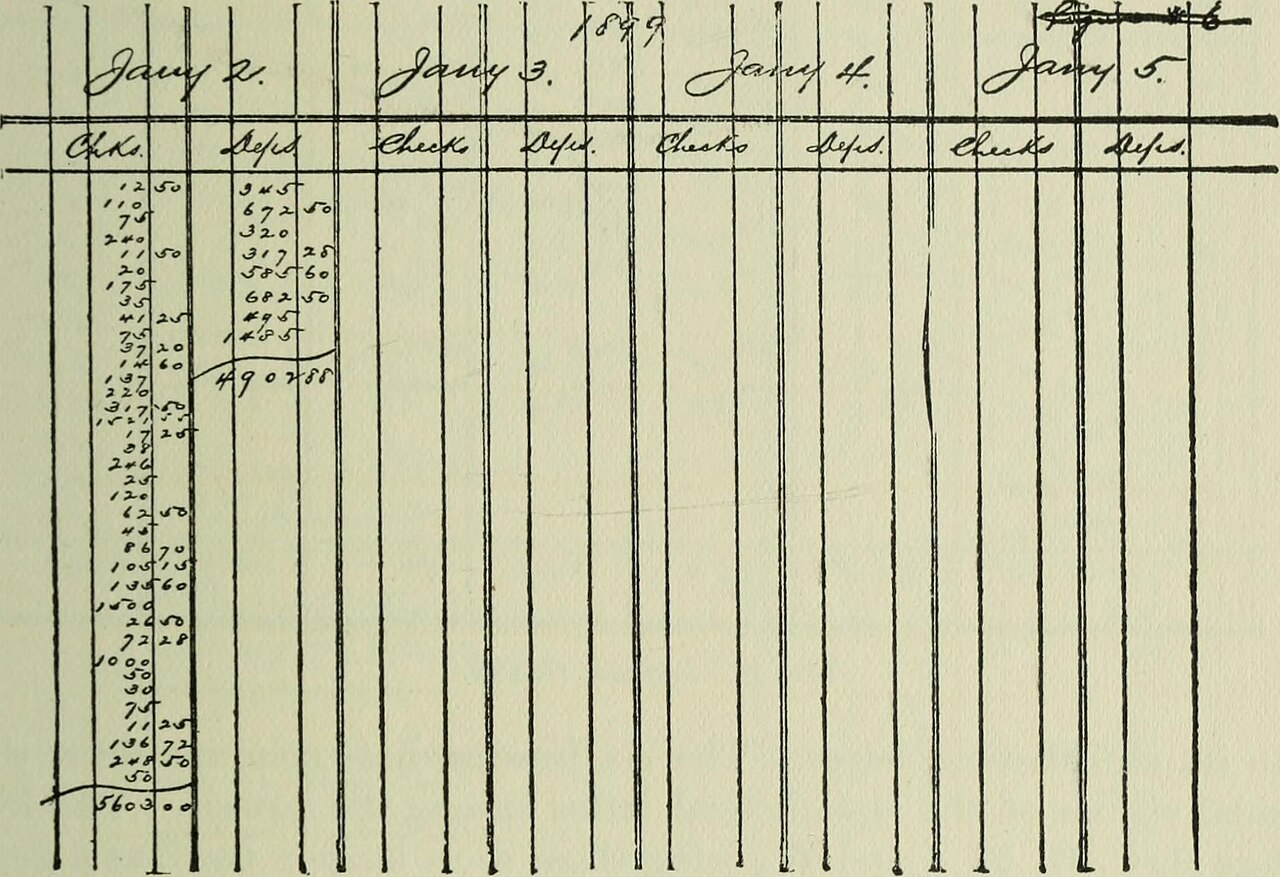
19
OctLent money with no invoice? Learn how to prove a hand loan in a cheque bounce case using ledgers, certified bank records and written acknowledgments.
Read More
19
OctCheque bounce case dismissed? Compare recall, restoration, a fresh Section 138 complaint and appeal, plus the Section 142 limitation risk in each route.
Read More
19
OctFacing a stolen cheque presented bounce case? File the FIR, stop payment in writing, and prove there was no debt and no valid signature under s.138 NI Act.
Read More
19
OctA joint account cheque bounced case turns on who signed and what the bank mandate allows. Learn who can be accused under Section 138 and what evidence m…
Read More
19
OctSettlement cheque bounced? What to do next under Section 138 NI Act: fresh notice, fresh complaint, and using the compromise as proof of debt.
Read More
19
OctThe proprietorship cheque bounce accused name must be the proprietor, not the trade name. Section 141 does not apply to a sole proprietorship or an HUF…
Read More
19
OctGuarantor cheque bounced liability in India: how Section 138 works against a surety, Section 128 of the Contract Act, notice drafting and whom to sue.
Read More
19
OctCan a cheque for a time-barred debt support a Section 138 bounce case? What limitation, written acknowledgement and part payment do to validity.
Read More
19
OctA blank cheque filled by payee can become a Section 138 bounce case. Learn the drawer's defence, material alteration and handwriting evidence.
Read More