
About Us
We combine decades of courtroom experience with a client-first approach to deliver clear, effective legal solutions.
Please fill out the form below and we will get back to you as soon as possible.
We combine decades of courtroom experience with a client-first approach to deliver clear, effective legal solutions.
A cheque you were counting on has come back with a bank memo reading "funds insufficient", and the buyer has stopped taking your calls. The real question is not whether you have a case, because a returned cheque is strong evidence, but how to recover money from cheque bounce without losing two years to paperwork. The Negotiable Instruments Act, 1881 gives the payee a time-bound criminal remedy under Section 138, and since 2018 it also gives you money during the trial. Everything turns on documents and dates: the return memo, the demand notice, the postal proof and the day the complaint is filed.
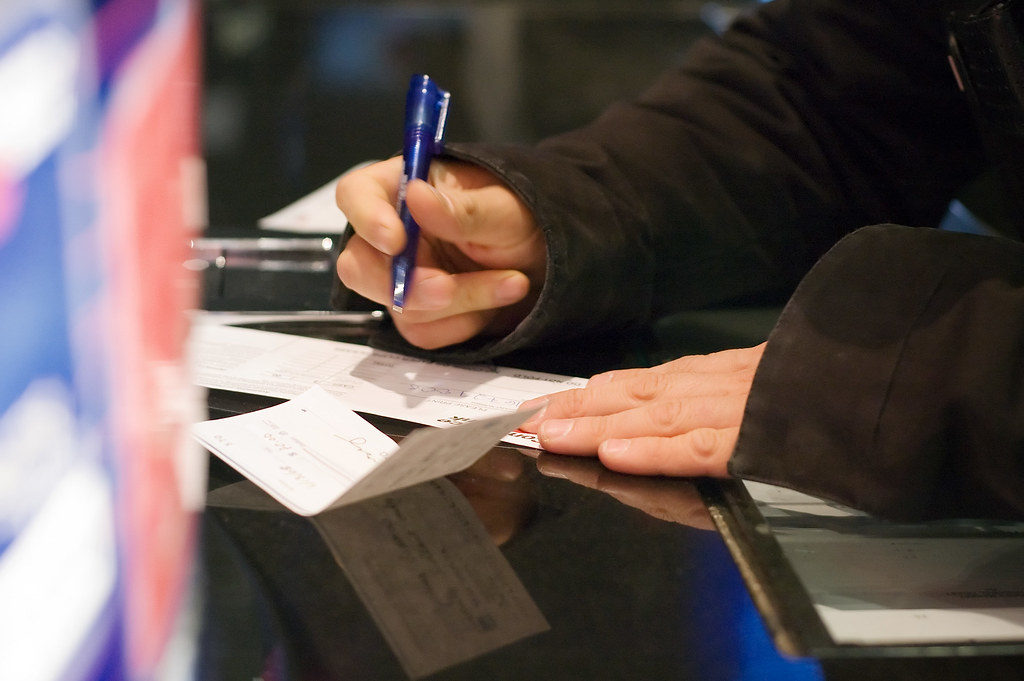
The sequence is fixed. You get the return memo and send a demand notice. If the fifteen-day payment window passes empty, you file a complaint in the right magistrate's court. You then apply for interim compensation under Section 143A, run or settle the trial under Section 143 and Section 147, and finally enforce the fine, including the deposit the drawer must make under Section 148 if he appeals.
The criminal case does not bar a civil recovery suit under Order XXXVII of the Code of Civil Procedure, and a registered MSME can also refer the unpaid invoice to the MSE Facilitation Council under Section 18 of the MSMED Act, 2006, where Section 15 requires payment within 45 days. Which route to run is a question about the drawer's solvency as much as about the strength of your case.
The clock starts the day your bank returns the cheque and you learn of the dishonour. Clause (b) of the proviso to Section 138 requires a written demand for the cheque amount within 30 days of that information. The drawer then has 15 days from receipt of the notice to pay. If the money does not arrive, the cause of action matures on the sixteenth day and the complaint must be filed within one month from that date. Section 142(1)(b) lets a magistrate condone delay for sufficient cause, but that is an argument you do not want to be making.
Two rules decide whether the complaint survives its first hearing. Only the payee or a holder in due course may file it, and jurisdiction under Section 142(2) lies where the branch of the payee's bank from which the cheque was sent for collection is situated. That is why a supplier in Bengaluru can file against a buyer in Hyderabad.
State the cheque number, date and amount, the drawer's name, the bank and branch, the date of presentation and the date and exact remark on the return memo. Demand the cheque amount, give the fifteen-day window, and warn that a complaint will follow. Send it to the address on your invoices, purchase orders and GST records, not to an address you found elsewhere. Use registered post with acknowledgement due, and add email and courier so that service is not disputed later.
A memo citing insufficient funds, exceeds arrangement, account closed or payment stopped by the drawer supports a criminal complaint. A return for a signature mismatch, a mutilated cheque or a materially altered cheque is harder ground, and a summary civil suit or your arbitration clause is the better instrument. The same is true where the drawer is already in insolvency proceedings.
Section 143A, inserted by the Negotiable Instruments (Amendment) Act, 2018 with effect from 1 September 2018, allows the magistrate to order the drawer to pay up to 20% of the cheque amount as interim compensation while the trial is still running. The order is normally made when the drawer pleads not guilty at the stage of framing of notice. The sum is payable within 60 days of the order, extendable by 30 days for sufficient cause, and if the drawer is eventually acquitted it is repaid to him with interest.
The power is discretionary, so the application does the work. File it with an affidavit annexing the invoice, the ledger extract and the return memo, ask for the full 20%, and request the court to record the payment date in its order.
Meera runs a printing unit in Peenya, Bengaluru, and supplied packaging to a distributor in Hyderabad against four invoices totalling ₹8,40,000 raised between March and June 2025. The distributor issued a cheque dated 12 July 2025 for the full amount. She deposited it with her bank on 20 August 2025 and it came back on 22 August marked "funds insufficient". On 5 September she sent a demand notice by registered post with acknowledgement due and by email to the address on the purchase orders. It was served on 9 September. No money came by 24 September, so the cause of action arose on 25 September and she filed the complaint on 15 October in the Bengaluru court covering her bank branch. At the framing of notice the drawer pleaded not guilty and Meera applied under Section 143A. The court ordered 20% of ₹8,40,000, that is ₹1,68,000, within 60 days. She was paid before the first witness was examined, and the trial continued for the balance.
Chapter XVII cases are tried by a Judicial Magistrate First Class or Metropolitan Magistrate in a summary manner under Section 143. In a summary trial the magistrate cannot pass a sentence exceeding one year, although the offence itself carries up to two years, or a fine up to twice the cheque amount, or both. Where a longer sentence may be warranted, the case can be tried as a summons case.
Your evidence goes in by affidavit under Section 145. You swear to the transaction, exhibit the invoices, the cheque, the return memo and the notice, and the Section 139 presumption that the cheque was issued for a legally enforceable debt then works for you until the drawer rebuts it. Attach the ledger and have the deponent present on the date fixed for cross-examination; an absent witness is the most common reason a payee's case drifts. Section 143 directs the magistrate, as far as practicable, to conclude the trial within six months of the complaint. In busy courts that direction is honoured in the breach, and one to three years is the realistic range, so ask for day-to-day hearings once notice is framed.
If the drawer is a company or firm, array the signatory and the persons in charge under Section 141. A vague averment that a director is responsible for the conduct of business is routinely quashed; state what each person did when the cheque was issued.
Every offence under Chapter XVII is compoundable under Section 147. Compounding is a settlement recorded with the court's permission, and the guidelines in Damodar S. Prabhu v. Sayed Babalal H., (2010) 5 SCC 663 require the drawer to pay graded costs along with the settlement, the cost rising with the stage at which you settle. In practice the criminal case is the pressure that produces the payment plan.
Record the terms, not just the figure. A workable compromise application sets out the principal cheque amount, the interest agreed, the instalments with dates, the mode of payment and a default clause that lets you revive the complaint if an instalment bounces. Many payees also take post-dated cheques; if you do, keep the case alive until the last one clears, or expressly reserve liberty to revive. Ask for the terms to be read into the order and signed by both sides.
On conviction the magistrate may impose a fine of up to twice the cheque amount and direct compensation. Recovery does not end with the judgment: if the drawer does not pay, the court can attach movable property and impose a default sentence. In parallel you can file a summary suit under Order XXXVII CPC for the debt itself within three years, and what you recover in one forum is adjusted against the other.
Most drawers appeal. Under Section 148, the appellate court may order the appellant to deposit a minimum of 20% of the fine or compensation awarded by the trial court, within 60 days, extendable by 30 days on sufficient cause. The Supreme Court has applied this to appeals arising from complaints filed before the 2018 amendment as well (Surinder Singh Deswal v. Virender Gandhi, (2019) 11 SCC 341). If the deposit is not made, the appeal itself can be dismissed; if the appeal succeeds, the deposit is returned with interest. For the payee this is the second cash point in the case, so track the appeal and press for the deposit order instead of waiting for a final verdict.
Keep originals of the cheque and the return memo, the bank statement showing presentation, the invoices, delivery challans and e-way bills, your ledger extract, and the notice with the postal receipt, acknowledgement, email copy and courier proof. Scan the set once; you will produce it at the notice stage, the affidavit stage and again at execution.
Note the return memo date and send the Section 138 demand notice within 30 days by registered post with acknowledgement due and by email.
Wait out the fifteen-day window, then file the complaint within one month in the court where your bank branch is located.
Apply under Section 143A at the framing of notice and claim up to 20% of the cheque amount as interim compensation.
File the Section 145 affidavit with the cheque, return memo, invoices, ledger and notice proof annexed.
Implead directors or partners under Section 141 with specific averments about their role when the cheque was issued.
If you settle under Section 147, record instalments, dates and a default clause, and keep the case alive until payment clears.
After conviction, monitor the appeal and press for the Section 148 deposit of at least 20%.
Start with the return memo: count 30 days from its date and send the demand notice this week, by registered post with acknowledgement due and by email to the address on your invoices, before you negotiate anything further.
This article is for general information only and is not legal advice. Consult a qualified professional for your specific facts.

By


0 Comments
No comments yet. Be the first to share your thoughts.
Leave a Comment