
About Us
We combine decades of courtroom experience with a client-first approach to deliver clear, effective legal solutions.
Please fill out the form below and we will get back to you as soon as possible.
We combine decades of courtroom experience with a client-first approach to deliver clear, effective legal solutions.
A farmer buys ₹48,000 worth of DAP and hybrid paddy seed on credit in February, hands over a cheque, and three weeks later the bank returns it marked "insufficient funds". For a fertiliser or seed dealer, that return memo starts a clock with deadlines fixed by statute. Miss them and the criminal remedy is gone, however genuine your dues. The law does not exempt agricultural buyers, but it does give the farmer a set of defences you must be ready for. This guide covers a cheque bounce for a fertiliser dealer end to end: what Section 138 needs, how to prove the debt, the notice timeline, filing, and what recovery actually looks like against a farmer.
Section 138 of the Negotiable Instruments Act, 1881 makes it an offence for a person to draw a cheque on an account maintained by him, for discharge of a debt or liability, and have it returned unpaid because the funds are insufficient or because the amount exceeds the arrangement with the bank. The punishment is imprisonment up to two years, or a fine up to twice the cheque amount, or both. A farmer's cheque for seed, pesticide or fertiliser sits squarely inside this provision.
Everything turns on the reason code printed on the bank's return memo. Collect the original memo from your branch; an SMS alert is not evidence.
Note the validity window. The Reserve Bank of India has fixed the life of a cheque at three months from the date written on it, so a post-dated cheque taken in February must be banked well before that date. Dealers who hold a cheque "to give the farmer time" routinely destroy their own case. If you want to give time, take a fresh cheque, not an old one.
Section 138 protects only a "legally enforceable debt or other liability". If the supply itself is disputed, the cheque is worthless as a cause of action. This is where most dealer cases are won or lost, long before a courtroom.
The starting advantage is statutory. Section 139 of the Act says that once the cheque and its dishonour are proved, the court shall presume that the cheque was received for discharge of a debt or liability. The Supreme Court has read that presumption as covering the existence of a legally enforceable debt, leaving the drawer to displace it with a defence that is probable, not merely plausible (Rangappa v. Sri Mohan). In practice, your invoice book and delivery challan do the presuming for you.
Expect these defences from a farmer or his counsel: the goods were never delivered; only part was delivered; the seed was of poor quality or the batch was expired; the cheque was given blank as security and was later filled in by the dealer; the amount was already paid in cash; the signature is not his. Each one is answered by paper, not argument.
GST invoice and a delivery challan signed or thumb-printed by the farmer or his family member, with quantity and batch or lot number.
A running ledger extract, ideally signed by the farmer every few months, showing the balance as on the date of the cheque.
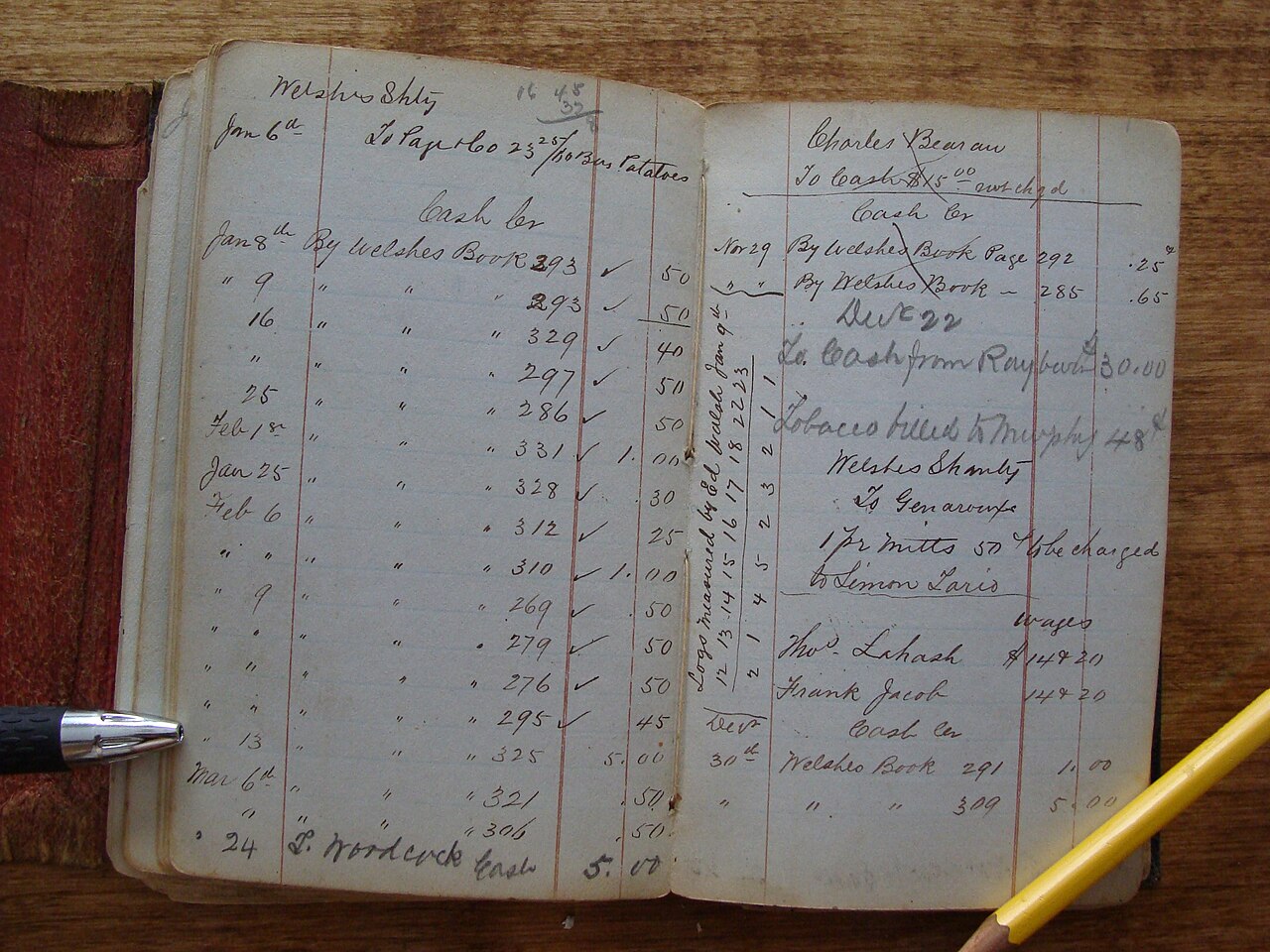
The cheque itself, the bank return memo, and your bank statement showing the deposit and return entries.
Statutory records you already maintain: the cash memo and stock registers under the Insecticides Rules, 1971 for pesticides, the records required under the Fertiliser (Control) Order, 1985, and label particulars for seed under the seeds law. These double as proof of a real sale.
Aadhaar or other identity and address proof collected at the time of opening the credit account.
One caution. If the farmer's ledger shows cash payments after the cheque date and you have not updated it, the cheque amount will exceed the outstanding debt on the date of the cheque. Complaints have failed on exactly that gap. Reconcile the account before you send a notice.
The sequence is short and unforgiving, and every date is counted from the day you receive information of the dishonour.
Filing before the fifteen days have run out is a common and fatal error; such complaints are quashed as premature. So is serving the notice on an address the farmer no longer uses.
Draft the notice with the cheque number, date and amount in figures and words, the bank and branch, the date of dishonour and the memo reference, a clear demand, and a statement that failure will lead to prosecution under Section 138. Send it by registered post with acknowledgement due and by speed post, to the address in your ledger and on his identity documents. Keep both postal receipts, the tracking printout and any returned envelope. Where a notice is correctly addressed and posted, service is presumed under Section 27 of the General Clauses Act, 1897, even if the farmer refuses delivery.
Jurisdiction is now simple. Under Section 142A of the Act, the complaint is filed before the Magistrate within whose jurisdiction your own bank branch, the one where you maintain the account and present the cheque, is situated. You do not travel to the farmer's district.
The offence is tried summarily by a Judicial Magistrate First Class under Section 143, and the Act asks the court to endeavour to conclude the trial within six months of the complaint. The complainant is examined on oath at the first hearing under Section 223 of the Bharatiya Nagarik Suraksha Sanhita, 2023 (earlier Section 200 of the Code of Criminal Procedure). Name the account holder and signatory as the accused; where an account is joint, plead the role of each signatory.
Two procedural weapons are worth using. Section 143A allows the court, at the stage when the accused pleads not guilty, to order interim compensation of up to 20% of the cheque amount, payable within sixty days, extendable by thirty days with interest. Section 148 requires an appellate court to direct a deposit of at least 20% of the fine or compensation awarded before an appeal is heard. Together they create real pressure to settle.
A dealer in Karnal, Haryana supplies 40 bags of DAP at ₹1,350 a bag and 20 packets of hybrid paddy seed at ₹450 a packet in the last week of February 2026. The invoice is ₹63,000. The farmer pays ₹15,000 in cash and gives a cheque dated 5 March 2026 for ₹48,000 drawn on his account at the local cooperative bank. The delivery challan carries his signature and the batch numbers.
The dealer deposits the cheque on 20 March 2026 and it comes back on 24 March 2026 marked "insufficient funds". Notice is issued on 10 April 2026, well within thirty days, and delivered on 14 April 2026, so the farmer has until 29 April 2026 to pay. He does not. The cause of action arises on 30 April 2026 and the complaint is filed on 26 May 2026, inside the one-month window, before the Magistrate covering the dealer's own bank branch. With the complaint, the dealer applies under Section 143A, and the court can order interim compensation of up to ₹9,600, being 20% of ₹48,000.
Now the hard part. Even a decree may not reach the farmer's land. Section 60 of the Code of Civil Procedure, 1908 exempts from attachment implements of husbandry, cattle and seed grain needed by an agriculturist to earn a livelihood, and, subject to the conditions in that section, the dwelling house and land appurtenant occupied by him. Recovery from a small farmer is therefore usually a negotiated settlement, not an auction. The criminal complaint is what produces that settlement. Separately, your civil claim on the dues survives for three years from the date payment fell due under the Limitation Act, 1963, and where you hold a signed credit agreement or order form, a summary suit under Order XXXVII of the Code of Civil Procedure, 1908 can be faster than a full trial. The criminal complaint does not bar the civil suit.
The offence is compoundable under Section 147, so settlement is possible at any stage and most cases end that way. Record the terms in writing, take the first instalment before you consent to compounding, and file the compromise before the court. If the farmer gives a fresh cheque under the settlement and that bounces, you have a fresh cause of action and a fresh notice period.
For the next season, tighten the credit file. Cap credit at a fraction of the farmer's declared acreage and the crop insured. Take a signed credit application with land record and identity proof. Get the ledger signed at each supply rather than once a year. Take post-dated cheques only for the exact outstanding amount, log the dates in a register, and present them on time. Move small-ticket sales to UPI. Stop supply on the first delayed payment instead of the third, because a dealer who keeps supplying after dishonour weakens his own case that the debt was never in dispute.
Present every farmer cheque within its three-month validity and collect the original return memo the same week.
Issue the Section 138 notice within thirty days of the dishonour, by registered post with acknowledgement due and by speed post, to the address in your ledger.
Diarise the sixteenth day after the notice is received and file the complaint within one month of it, before the court covering your bank branch.
Attach the invoice, signed delivery challan, ledger extract, cheque copy and return memo to the complaint.
Apply under Section 143A for interim compensation of up to 20% of the cheque amount.
Keep the civil recovery option alive and check the three-year limitation on the underlying dues.
Put any settlement in writing and file it for compounding under Section 147.
If you are holding a farmer's return memo that is more than a fortnight old, open the file today, confirm the date of dishonour, and check whether the thirty-day notice window is still open. If it is, send the notice this week and diary the sixteenth day.
This article is for general information only and is not legal advice. Consult a qualified professional for your specific facts.

By


0 Comments
No comments yet. Be the first to share your thoughts.
Leave a Comment